Discover the numerous benefits of car tinting and how it can transform your driving experience. Car tinting is more than just a cosmetic enhancement for your vehicle; it provides a plethora of practical advantages, from improved comfort to safety enhancements. As we journey through this comprehensive guide, we'll explore the key reasons why upgrading to premium car tinting could be the best decision for your vehicle. Whether you're preparing for a long road trip or just looking to add a touch of luxury to your daily commute, car tinting offers significant value.
Understand the Basics of Car Tinting
Car tinting involves applying a thin laminate film to a vehicle's glass to enhance its appearance and performance. This film is made from various materials such as dyed film, metalized, or ceramic options, each offering different levels of reflectivity and heat rejection. Tinting not only protects your car's interior from harmful UV rays but also provides privacy and reduces glare. With numerous materials and techniques available, car tinting can be customized to meet specific preferences and requirements.
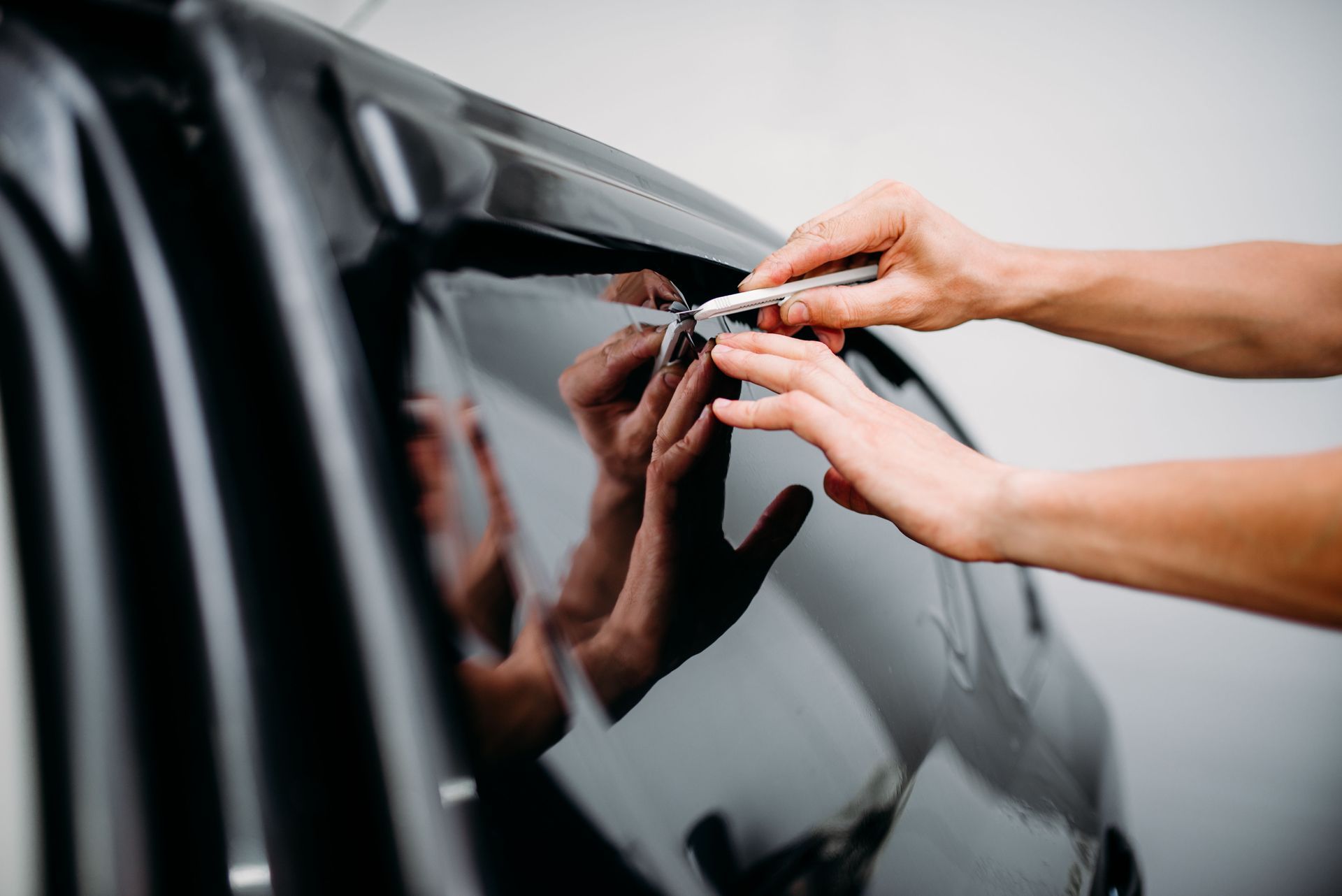
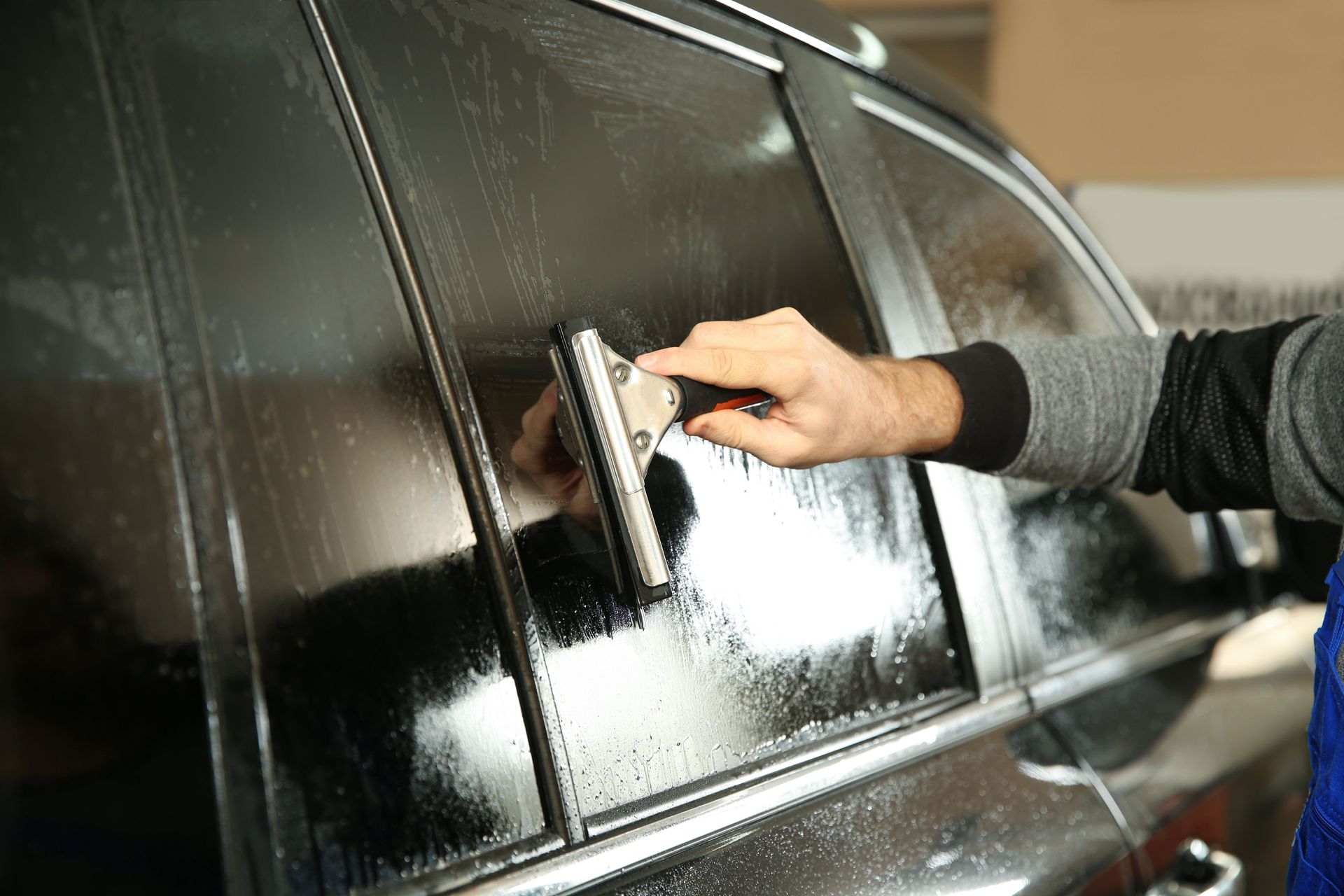
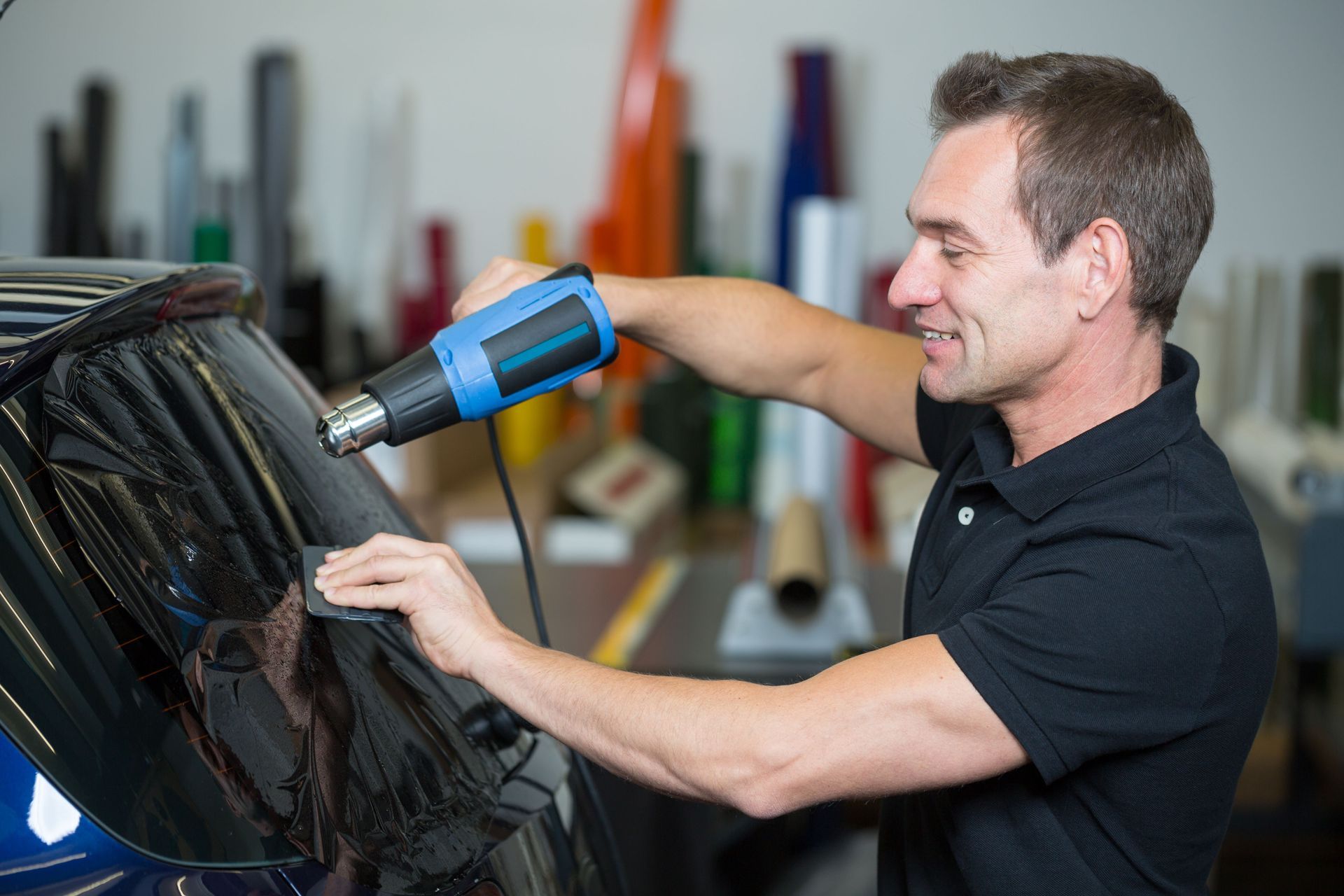
It's important to understand the basics of car tinting to make an informed decision. The process typically includes cleaning the windows, cutting the film to size, and carefully applying it to prevent bubbles or creases. Each type of tint has its own set of characteristics and benefits, which can vary from one manufacturer to another. As technology advances, new materials continue to improve the effectiveness and durability of car tinting solutions.
Choosing the right type of car tint can significantly alter your driving experience. While some may prioritize aesthetic appeal, others may focus on the functional benefits like heat reduction and UV protection. A well-tinted vehicle not only looks sleek but also stays cooler during hot days. It's essential to understand how different tinting options integrate with your vehicle to achieve the desired balance of style and utility.
Enjoy the Benefits of Premium Car Tinting
One of the most significant benefits of car tinting is its ability to reject solar heat, which can drastically lower the temperature inside your car. This is particularly beneficial during hot summer months when excessive heat can make driving uncomfortable and strain your car's air conditioning system. Premium tinting can block infrared heat, significantly enhancing passenger comfort while driving. By maintaining cooler temperatures, car tinting also improves fuel efficiency as it reduces reliance on air conditioning.
In addition to thermal control, car tinting provides excellent UV protection, shielding both the vehicle's interior and its occupants from harmful ultraviolet rays. Prolonged exposure to UV rays can cause fading and damage to the car's upholstery, and more importantly, pose health risks such as skin cancer. With high-quality window films, UV radiation can be blocked, ensuring the safety of your loved ones on every journey. This level of protection is particularly valuable for those who spend a lot of time on the road.
Another key advantage of car tinting is its ability to increase privacy and security. Tinted windows obscure the view inside the car, making it harder for potential thieves to see valuable items within. This can deter theft and enhance your peace of mind when leaving your vehicle parked in unfamiliar areas. Furthermore, in the event of a collision, the tint film can hold shattered glass together, preventing injury from flying glass shards and adding another layer of safety for passengers.
Follow State Laws for Window Tinting
Before tinting your car windows, it's crucial to familiarize yourself with the legal regulations that govern car tinting in your region. Every state in the U.S. has specific laws that dictate the allowable darkness and reflectivity of car tint on different types of windows. These regulations are designed to ensure that drivers maintain adequate visibility and road safety while enjoying the benefits of window tinting. Failure to comply with these laws can result in fines and necessitate the removal of non-compliant tint.
The legal aspects of car tinting can vary significantly from one jurisdiction to another, making it essential to consult local laws or a reputable tinting service. For instance, some states have restrictions on front window tint darkness, while others may have specific guidelines for rear and side windows. Understanding these regulations not only helps you avoid legal trouble but also allows you to choose a tinting solution that offers optimal performance within the law. Professional tinting services often provide guidance based on up-to-date legal standards in your area.
Beyond legal requirements, some states also enforce additional standards for individuals with medical exemptions that allow for greater tint darkness. These exemptions are typically granted to individuals with medical conditions that are aggravated by UV exposure. Drivers should carry documentation of these allowances when traveling across state lines to avoid legal issues. Consulting a legal expert or car tinting professional can help navigate these complexities and ensure that your tinting meets all necessary regulations.
Compare Different Types of Window Tint Film
Tinting isn't a one-size-fits-all solution. The most common types of car window film include dyed, metallic, carbon, and ceramic tints, each offering unique benefits and performance levels. Dyed films are popular for their affordability and ability to provide a basic level of privacy and heat reduction. Metallic tints, on the other hand, are more durable and effectively reflect heat and UV rays, although they may interfere with electronic signals.
Carbon tint films are known for their non-reflective finish that delivers effective heat insulation without the drawbacks of metallic interference. They allow efficient retention of heat inside the car during colder months, providing year-round comfort. Ceramic films stand out as the premium choice due to their superior performance in heat and UV rejection, preventing up to 80% of solar heat from penetrating the glass. Although more expensive, ceramic tints offer the best clarity and durability without signal interference, making them ideal for high-end vehicles.
Evaluate the Cost and Long-Term Value of Car Tinting
The cost of car tinting can vary widely depending on several factors, including the type of film, the size of your vehicle, and the professional experience of the installer. Basic dyed tints are usually the most economical option, while ceramic and other high-performance films command higher prices due to their advanced properties. It's essential to consider both initial costs and long-term benefits when deciding on a tinting solution. Premium tints might have a higher upfront cost, but their durability and efficiency often lead to savings in energy and maintenance over time.
According to IBISWorld, the U.S. market size of the window tinting services industry is projected to reach over $624 million in 2026, highlighting the growing demand for this valuable service. This growth is indicative of an increasing awareness among drivers about the benefits of quality tinting. Investing in professional installation not only ensures compliance with legal standards but also maximizes the benefits derived from superior tinting materials. By selecting reputable service providers, you can be assured of a flawless finish and enduring performance.
From improved comfort and safety to aesthetic and economic advantages, car tinting offers significant enhancements for any vehicle. By understanding the basics of tinting, exploring various film types, complying with legal standards, and considering cost-effectiveness, drivers can make informed decisions that suit their specific needs and preferences. Whether you're looking for a way to boost your car's appearance, reduce interior heat, or simply enjoy a more private and secure environment, car tinting stands as a worthwhile investment. Reach out to Blackout Auto Spa to learn more about our services today.