June 5, 2026
Window tinting has become a popular upgrade for vehicle owners seeking improved comfort, appearance, and interior protection. Professionally installed tint can help reduce glare, limit heat buildup, and create a more refined exterior appearance for many types of vehicles. However, the lifespan of tinted windows can vary depending on several important factors related to materials, installation quality, and long-term maintenance.
Vehicle owners often choose a professional car tinting service because they want results that remain visually appealing and functional for years. While tint products are designed for durability, environmental exposure and installation conditions can influence how long the tint maintains its appearance and performance. Understanding these factors helps drivers make more informed decisions when considering window tint upgrades.
Professional installation involves more than simply applying film to glass surfaces. The quality of the tint material, preparation process, and application techniques all contribute to the long-term durability of the finished product. Learning what affects tint longevity can help vehicle owners better understand the value of professional automotive tinting services.
Evaluating Tint Material Quality Before Application
The quality of the tint film itself plays one of the most significant roles in determining how long window tint will last. Automotive tint products vary widely in composition, construction, and resistance to environmental exposure. Higher-quality materials are generally designed to better withstand heat, ultraviolet exposure, and daily wear over time.
Standard dyed films, carbon-based tints, ceramic films, and metallic tints each offer different performance characteristics. Some products prioritize heat rejection, while others focus more heavily on fade resistance or visual clarity. The type of material selected can influence how well the tint maintains its color, adhesion, and appearance throughout years of vehicle use.
A professional car tinting service typically helps customers compare different tint options based on vehicle usage, climate conditions, and performance preferences. Professional guidance helps ensure that the selected film aligns with long-term durability expectations rather than focusing only on immediate appearance. Material quality often becomes one of the most important factors affecting overall lifespan.
Improving Tint Durability With Professional Installation
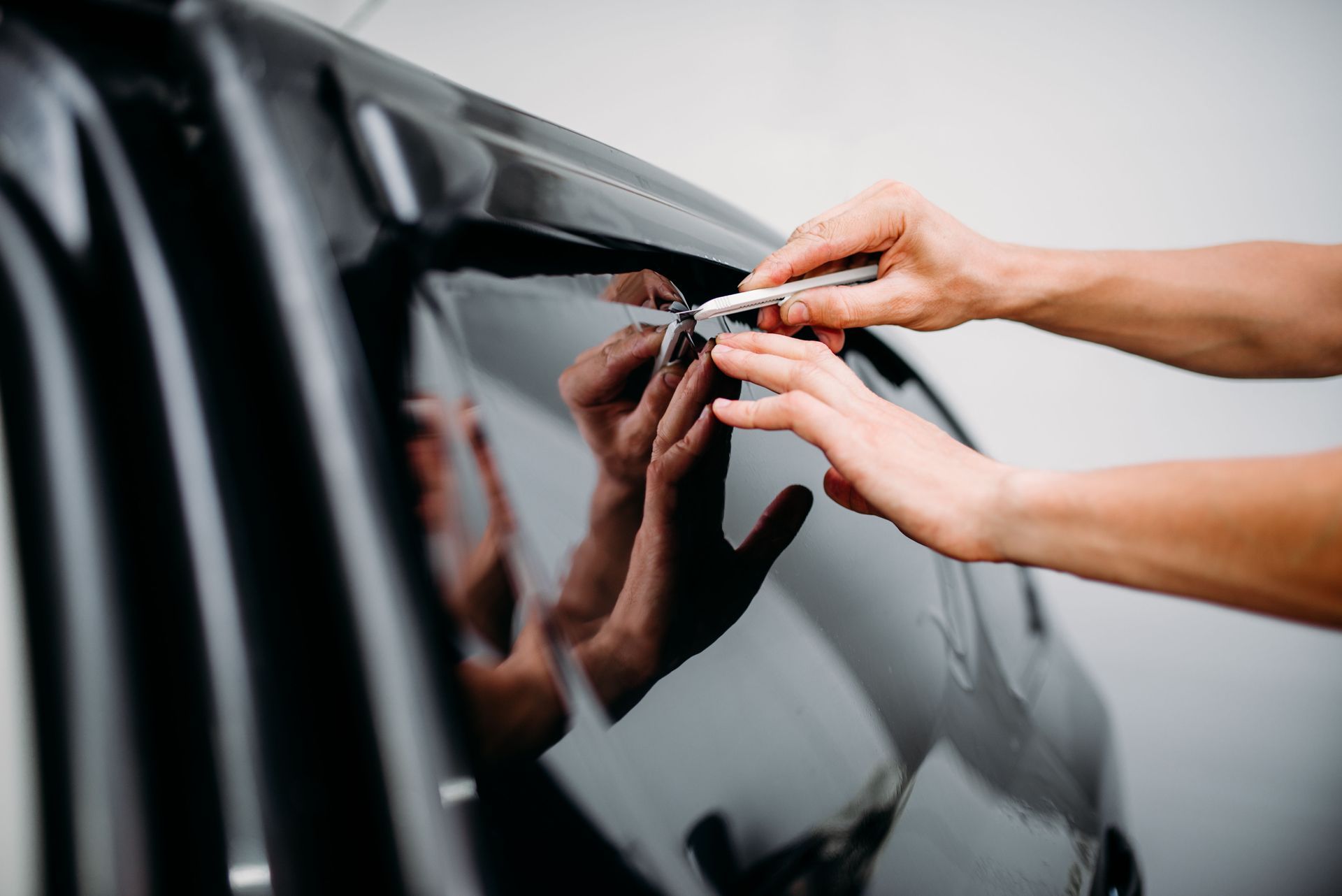
Even high-quality tint products may fail prematurely if installation procedures are not performed correctly. Window tint application requires careful preparation, precision cutting, and controlled installation techniques to achieve proper adhesion and smooth finishes. Small installation errors can lead to bubbling, peeling, contamination, or uneven appearance over time.
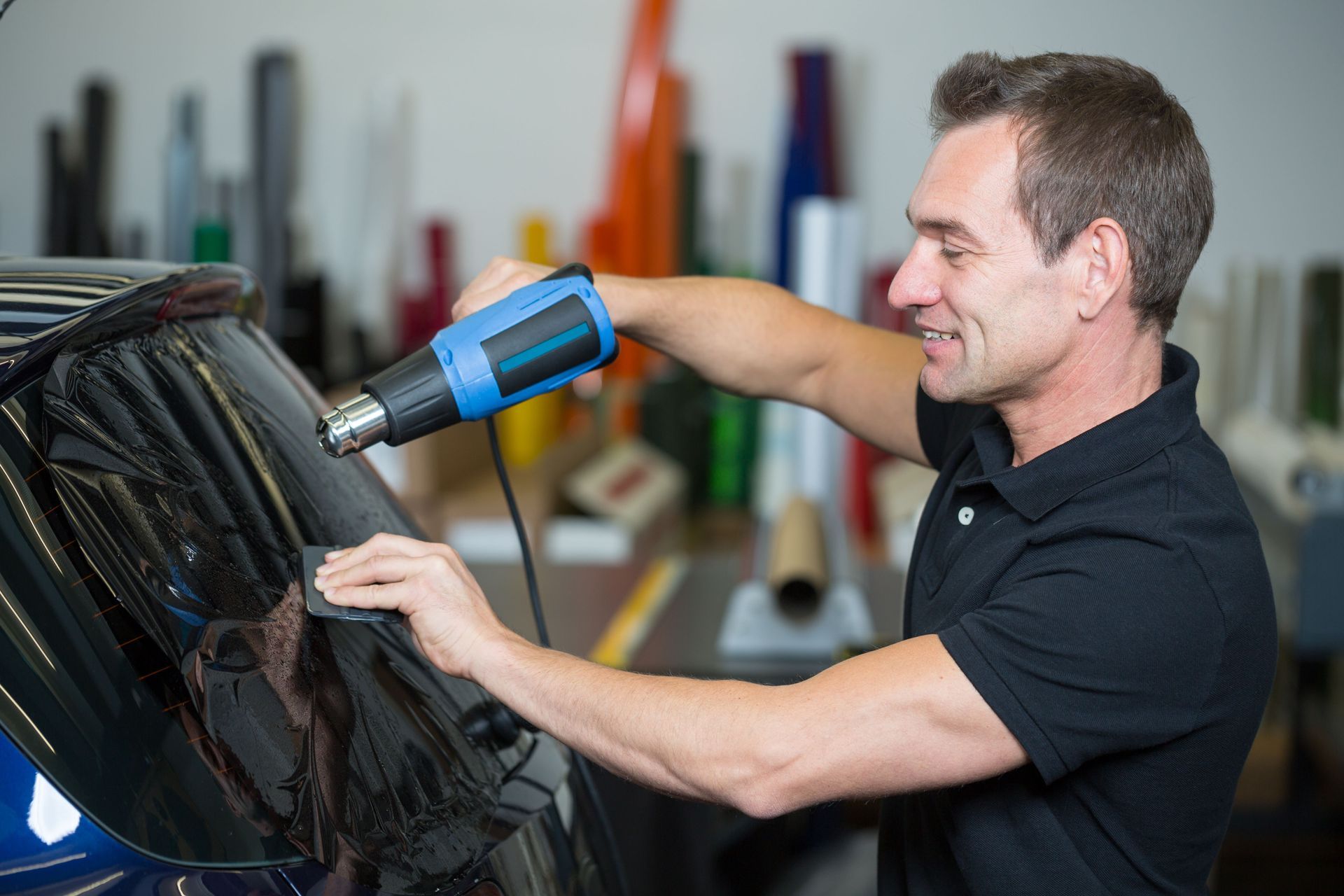
Professional installers thoroughly clean vehicle windows before applying tint film to remove dust, oils, and debris that could interfere with adhesion. Controlled installation environments also help minimize airborne contaminants that may become trapped beneath the film during application. Attention to these details contributes significantly to longer-lasting results.
A professional car tinting service uses specialized
tools and application methods designed to improve consistency and durability. Proper alignment, moisture management, and edge finishing all help ensure that the film adheres evenly across the glass surface. Professional expertise reduces the likelihood of defects that could shorten the tint’s lifespan.
Managing Sun Exposure Throughout Daily Vehicle Use
Sunlight and ultraviolet radiation are among the most common environmental factors affecting automotive window tint. Vehicles parked outdoors for extended periods may experience increased exposure to heat and UV rays that gradually affect film performance over time. Constant exposure can contribute to fading, discoloration, and weakening of certain tint materials.
Climate conditions often play a major role in determining how quickly tint materials age. Vehicles located in hotter regions with strong sunlight may experience faster wear than vehicles exposed to milder environmental conditions. High temperatures combined with prolonged UV exposure can place additional stress on window film adhesives and surface coatings.
According to Market.us News, most standard window tint products have an average lifespan of five years. However, this timeframe may vary depending on factors such as climate exposure, tint material quality, and installation conditions. A professional car tinting service can help vehicle owners select products designed to better withstand specific environmental demands.
Reducing Moisture Damage With Proper Application
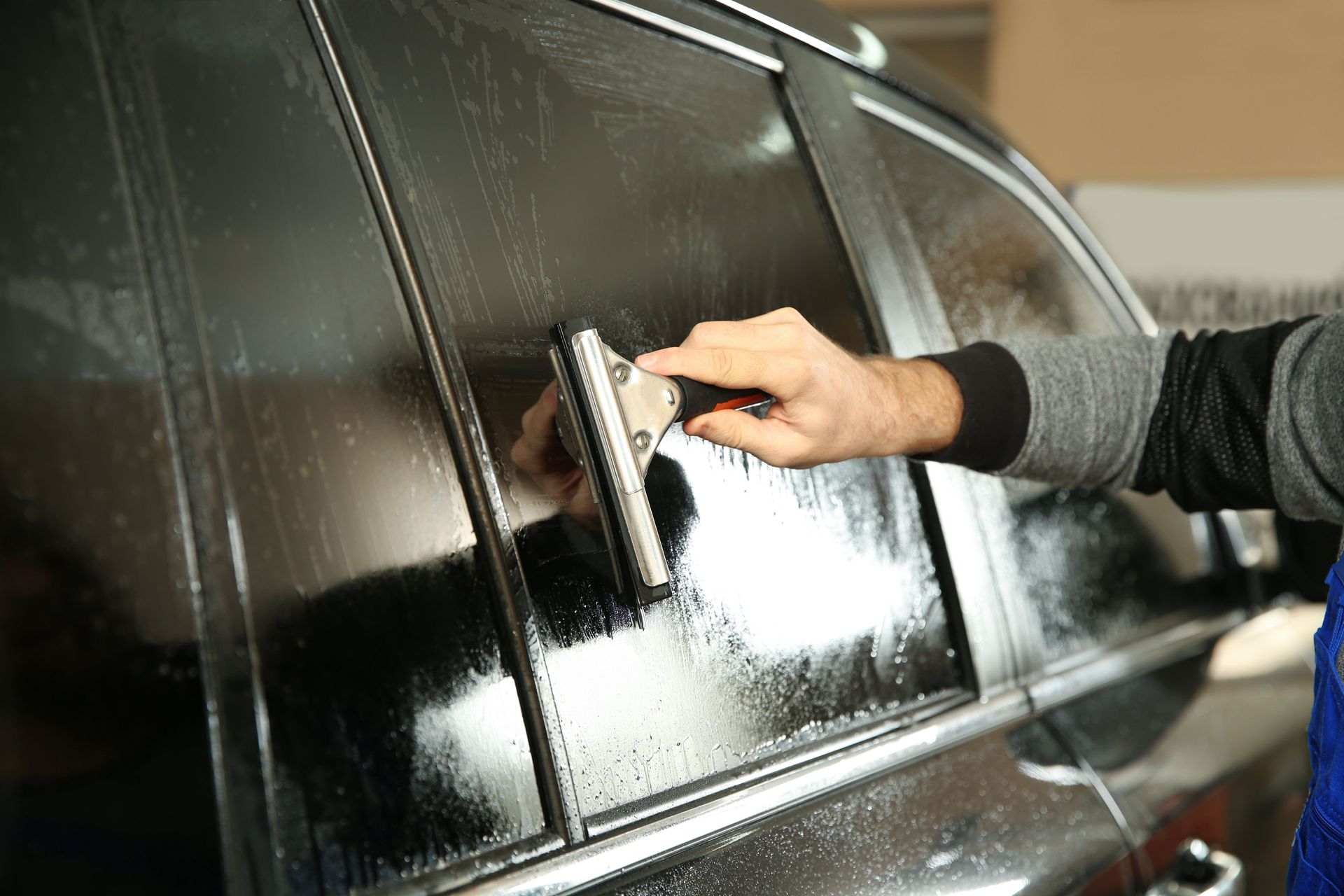
Moisture management is another important factor that influences the longevity of automotive tint. During installation, professionals use water-based application solutions to position the tint film accurately on the glass surface. Proper drying and curing are essential for creating strong adhesion between the film and the window.
If moisture becomes trapped beneath the film or if curing conditions are interrupted, problems such as bubbling or peeling may develop later. Humidity levels, temperature conditions, and installation timing can all affect how effectively the tint cures after application. Professional installers understand how to manage these variables during the process.
A professional car tinting service also ensures that the vehicle remains protected during the initial curing phase after installation. Newly applied tint often requires time to fully settle and bond with the glass surface. Following proper post-installation care recommendations helps support stronger long-term film performance.
Preventing Surface Damage Through Routine Care
Daily vehicle use can expose the window tint to scratches, abrasions, and accidental damage if surfaces are not handled carefully. Improper cleaning methods, abrasive materials, or sharp objects may gradually damage the tint film and reduce its lifespan. Consistent care practices help preserve both appearance and performance over time.
Professional installers often recommend non-abrasive cleaning products and soft materials when maintaining tinted windows. Harsh chemicals or rough cleaning tools can weaken the film surface or contribute to visible scratches. Gentle cleaning routines help protect the integrity of the tint while maintaining visual clarity.
A professional car tinting service may also educate vehicle owners about habits that affect tint longevity. Repeated contact from seat belts, cargo items, pet claws, or window accessories can contribute to unnecessary wear. Understanding how everyday activities impact window tint helps drivers maintain better long-term results.
Protecting Adhesion Strength Through Temperature Stability
Temperature fluctuations can place stress on automotive window tint over time. Vehicles regularly exposed to extreme heat, freezing conditions, or rapid temperature changes may experience additional strain on tint adhesives and film materials. These environmental shifts can gradually affect adhesion and film flexibility.
Heat buildup inside vehicles often accelerates the aging process of lower-quality tint materials. Continuous thermal expansion and contraction may contribute to separation around edges or reduced bonding strength over time. Higher-performance films are typically designed to handle these temperature changes more effectively.
A professional car tinting service considers local climate conditions when recommending tint products for specific vehicles. Matching the appropriate film to environmental conditions helps improve durability while supporting better long-term performance. Professional product selection often contributes significantly to extended tint lifespan.
Preserving Film Appearance Through Proper Window Operation
Window movement and mechanical wear can also influence how long automotive tint maintains its appearance. Frequent opening and closing of windows creates repeated friction along the edges of the tint film, particularly if installation alignment is inconsistent or if debris accumulates near window seals. Over time, this movement may contribute to edge wear or lifting.
Professional installation helps reduce these concerns by ensuring accurate film placement and proper edge finishing during application. Smooth alignment helps minimize unnecessary contact between the film and moving window components. Precision trimming also contributes to cleaner appearance retention over time.
A professional
car tinting service may recommend waiting periods before operating windows after installation to allow proper curing. This precaution helps prevent premature shifting or edge damage while the film is still bonding to the glass. Following these recommendations supports stronger long-term adhesion and appearance.
At Blackout Auto Spa, we are committed to delivering professional tinting solutions designed to combine performance, appearance, and long-term durability. Our team takes pride in using quality materials and precise installation techniques that help vehicle owners enjoy cleaner, more reliable results. We work closely with our customers to provide professional car tinting service options that support comfort, style, and long-lasting vehicle enhancement.