May 21, 2026
The journey toward preserving a vehicle’s showroom shine often leads car enthusiasts to a modern marvel of automotive chemistry. This specialized liquid polymer creates a semi-permanent bond with the factory paint, offering a layer of defense that traditional waxes simply cannot match. Understanding the mechanics of this technology is the first step in appreciating its true value.
While many owners focus on the immediate aesthetic boost, the underlying benefits reach far deeper into the molecular structure of the vehicle’s surface. This transparent shield serves as the primary barrier between delicate clear coats and the harsh elements found on the open road. It is a long-term strategy for those who view their vehicle as a significant asset.
Choosing a professional application ensures that every curve and panel receives the precise thickness required for maximum durability. The result is a glass-like finish that resists the typical wear and tear that usually dulls a car’s appearance over time.
Reviewing Chemical Bonding and Surface Protection
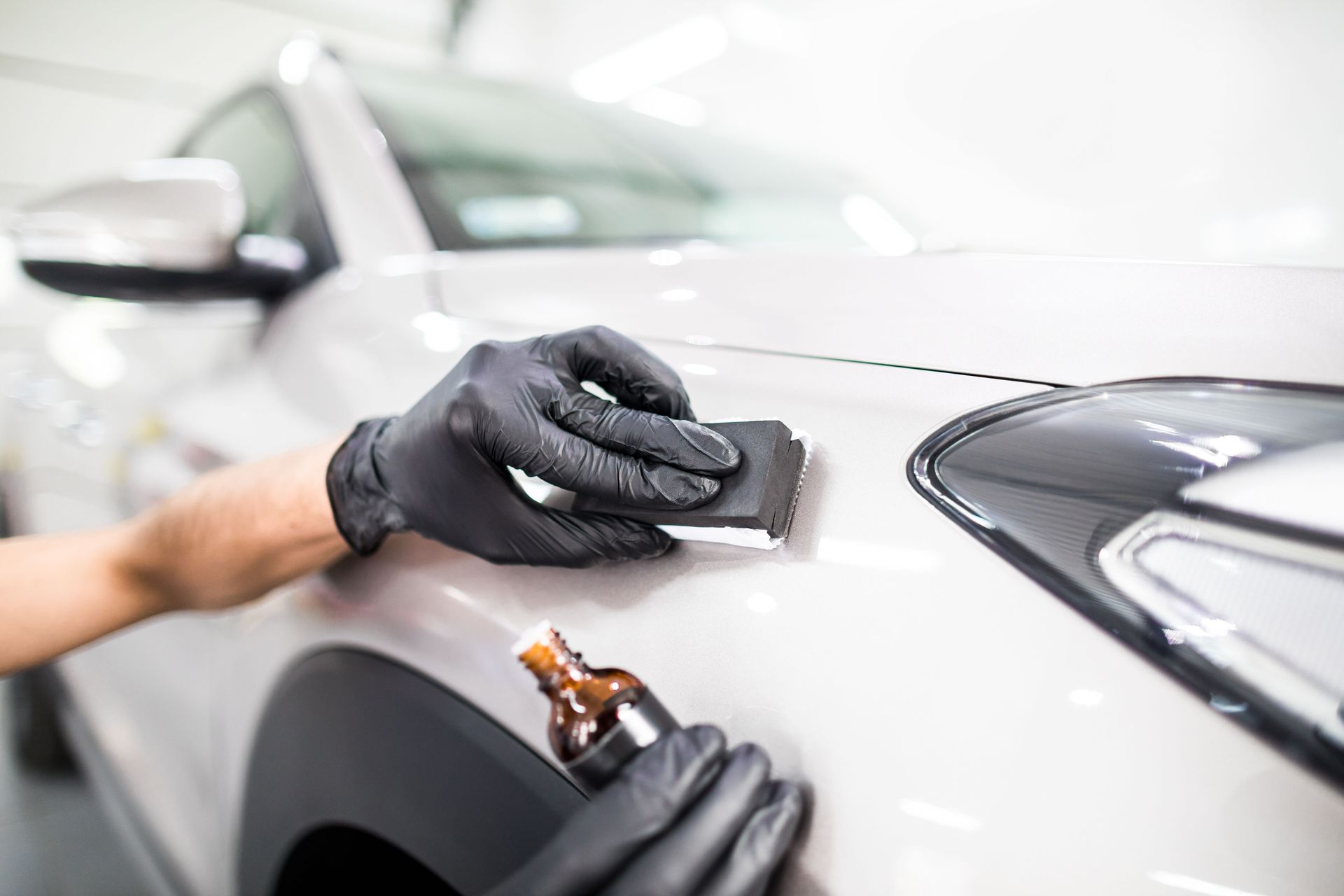
The primary strength of a ceramic coating lies in its ability to create a covalent bond with the existing paint. Unlike wax, which sits on top of the surface, this liquid fills the microscopic pores of the clear coat. This creates a surface that is incredibly hard and resistant to various forms of chemical etching.
- Resists acidic bird droppings
- Protects against harsh tree sap
- Blocks caustic road salts
- Prevents staining from bug splatter
According to Fortune Business Insights, the ceramic coatings market is expected to grow at a yearly rate of 7.1%, reaching $3.32 billion by 2026. This growth reflects the increasing consumer trust in the efficacy of these advanced protective layers. Owners are moving away from temporary solutions in favor of a ceramic coating that offers lasting peace of mind.
The hardness of the cured layer acts like a sacrificial barrier. When environmental contaminants land on the vehicle, they rest on the coating rather than eating into the paint itself.
Evaluating Hydrophobic Properties and Cleaning Ease
One of the most noticeable benefits for any owner is the intense water-repelling nature of the treated surface. Water beads up and rolls off almost instantly, taking loose dirt and dust along with it. This self-cleaning effect significantly reduces the time and effort required to keep the car looking its best.
- Facilitates faster drying times
- Reduces the risk of water spots
- Limits the build-up of road grime
- Enhances the effectiveness of touchless washes
A vehicle treated with ceramic coating requires far fewer aggressive scrubbing sessions during a routine wash. Because the surface is so smooth, contaminants have a difficult time finding a foothold. This means a simple rinse can often restore a high level of cleanliness without the need for heavy detergents or abrasive tools.
The hydrophobic effect also improves visibility and safety during heavy rain. Water behaves differently on treated glass and body panels, clearing away more efficiently at highway speeds. This adds a layer of functional utility to the visual brilliance, making the driving experience more enjoyable and much safer in inclement weather.
Analyzing Ultraviolet Resistance and Paint Longevity
Continuous exposure to the sun is one of the most significant threats to any vehicle’s exterior. Ultraviolet rays cause the paint to oxidize, leading to a dull, chalky appearance and eventually causing the clear coat to fail. A high-quality ceramic coating acts as a powerful sunblock for the entire car.
By reflecting a massive portion of the solar spectrum, the coating prevents the heat and radiation from breaking down the chemical bonds of the paint.
- Prevents color fading and dullness
- Stops the process of paint oxidation
- Shields against thermal expansion stress
- Maintains original factory pigment depth
The longevity of the paint is directly tied to how well it is shielded from the sun’s daily assault. Owners who park outdoors benefit immensely from this transparent armor. It ensures that the vehicle retains its deep, lustrous color even after spending years exposed to the direct heat and light of summer.
Assessing Gloss Enhancement and Aesthetic Appeal
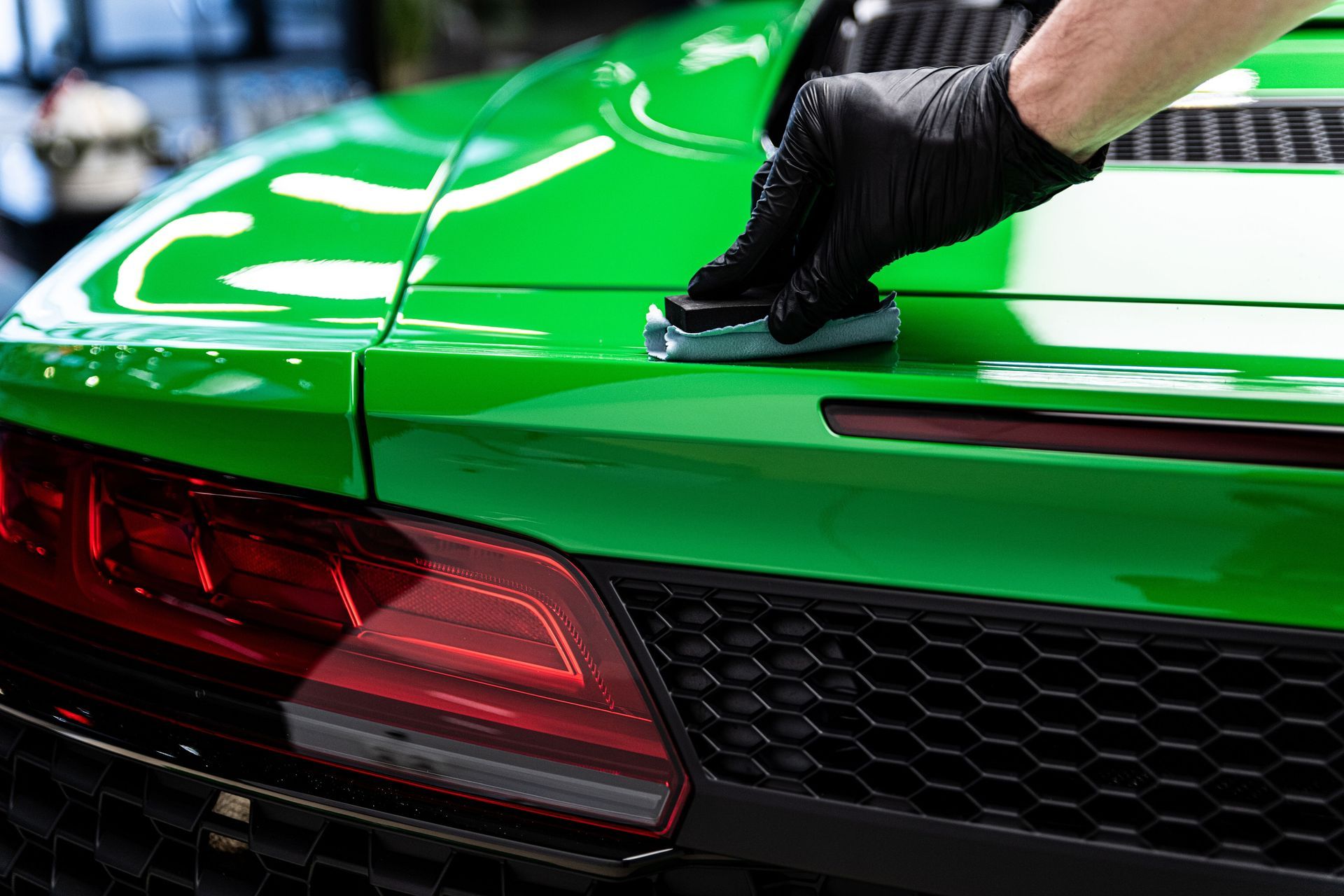
Beyond the protective qualities, the visual transformation of the vehicle is often what draws owners to this service. The coating adds a level of depth and clarity to the paint that is difficult to achieve through any other means. It creates a reflective quality that mimics the appearance of a mirror.
This enhancement is due to the way light interacts with the perfectly flat, cured surface. By smoothing out the microscopic imperfections of the paint, the coating allows light to reflect more uniformly. This results in a "wet look" that persists long after the car has left the detailing bay.
- Creates a high-definition finish
- Increases the intensity of metallic flakes
- Provides a consistent mirror-like reflection
- Eliminates the need for frequent polishing
A professional ceramic coating highlights the lines and contours of the vehicle’s design. Every edge becomes sharper, and every curve catches the light with more drama. This aesthetic boost is permanent, meaning the car looks like it was just waxed every single day without the constant maintenance associated with traditional carnauba products.
Examining Scratch Resistance and Mechanical Durability
While no coating makes a vehicle completely bulletproof, the increased surface hardness provides a degree of resistance against light swirls and scratches. These often occur during the washing process or when someone brushes against the car. The coating takes the brunt of these minor impacts.
The quartz or silica content within the mixture cures into a very hard state. This hardness is measured on a scale that indicates how well the surface can resist deformation. By making the exterior harder, the ceramic coating ensures that the paint remains free of the unsightly spider-webbing effect seen under bright lights.
- Reduces marring from drying towels
- Resists light contact scratches
- Minimizes the impact of blowing sand
- Provides a tougher exterior shell
This durability translates into a vehicle that stays "new" for a much longer duration. The mechanical strength of the bond means the coating will not wash away or degrade during a single season. It remains a steadfast guardian of the paint, providing a consistent level of toughness through car washes and varying temperatures.
Measuring Resale Value and Long-Term Savings
When the time comes to sell or trade in a vehicle, the condition of the paint plays a massive role in the final valuation. A car that has been protected by ceramic coating stands out in the used market. Potential buyers can see the lack of oxidation and scratches, which suggests a well-maintained machine.
The initial cost of the application is offset by the lack of need for quarterly waxing and professional buffing. Over the course of several years, the savings on maintenance products and labor are substantial. It is a proactive financial decision that preserves the equity built into the vehicle’s physical condition.
- Increases the appeal to private buyers
- Justifies a higher asking price
- Reduces the frequency of professional detailing
- Saves money on clay bars and waxes
A documented history of paint protection can be a significant selling point. It proves to the next owner that the exterior has been shielded from the elements with the best technology available. Investing in a ceramic coating is a commitment to the car’s future, ensuring it remains a high-value asset until the day it changes hands.
The decision to upgrade your vehicle's protection is about more than just a shiny exterior; it is about embracing a superior standard of automotive care. When you choose a high-performance
ceramic coating, you are choosing to simplify your life while enhancing your vehicle's resilience against the world. Contact Blackout Auto Spa to schedule your transformation.